
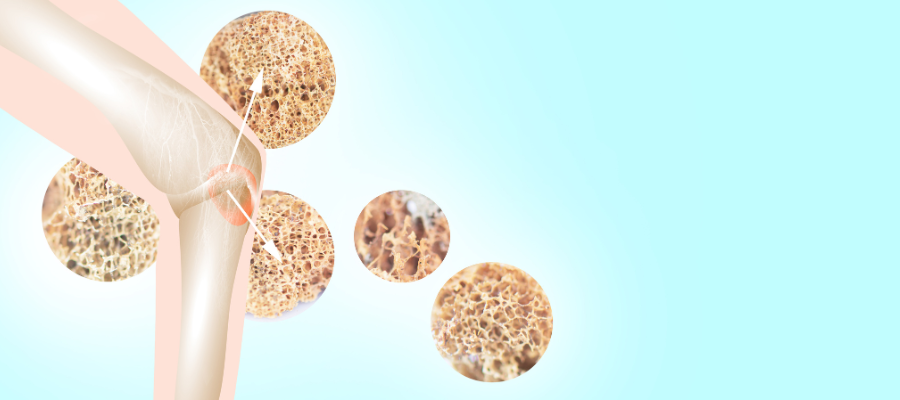
 Navigating postmenopause can be a unique experience filled with both uncertainty and newfound insights into your body. As you step into this final stage of menopause, it's essential to recognize that this phase extends throughout the rest of your life. Despite its singular label, postmenopause isn't always straightforward, and understanding what to expect can be a challenge. One crucial aspect that demands attention is the heightened risk of specific conditions and diseases, particularly osteoporosis. The stakes are higher now, and staying informed becomes your armor against potential health challenges. Amidst the ongoing debates surrounding the treatment of these bone-related issues, one approach stands out for its wide acceptance and effectiveness—resistance training. In this article, we'll delve into why resistance training emerges as a low-cost yet powerful strategy to both prevent and treat these conditions, empowering you to take charge of your bone health with confidence. What is osteoporosis?Osteoporosis is a progressive bone disease that develops when bone mineral density and bone mass decrease. There are structural and strength changes of the bones as well. This leads to an increased risk of fragility fractures, especially in postmenopausal women, although the disease can begin one to two years before menopause. It is the leading factor of fractures among postmenopausal women. Unfortunately, osteoporosis is known as a “silent” disease because oftentimes women and men affected don’t realize they have it until they’ve broken a bone. Fractures happen mostly in the bones of the hip, vertebrae in the spine and the wrist. How does resistance training help?First, let’s define what resistance or strength training actually is. Resistance training is a type of conditioning that uses a variety of training methods such as free weights, weight machines, resistance bands and medicine balls and is designed to increase muscular strength and endurance. However, it’s also a star player when it comes to bone health. Why? Resistance training, when done effectively (we’ll get to what this means), puts enough stress on the bones to promote an osteogenic response or bone growth. It also has other pros such as being the most inexpensive and safest way to treat osteoporosis without using pharmaceuticals. It is widely accepted by experts as the best and most promising way to increase bone mass and density. Risk Factors for Osteoporosis:
How much strength training do you need?As stated above, resistance training is one of the best ways to prevent and treat osteoporosis, but the quality of that training matters. Unfortunately guidelines aren’t often outlined effectively for women to see actual results from their strength training and it can lead to little or no benefits which can be incredibly frustrating and dangerous. Moderate intensity resistance workouts are often recommended by professionals but the truth is, they need to be higher intensity with the proper mechanical load and repetitions. Generally speaking, you want to lift heavier so you can only perform up to eight to 12 repetitions. However, this is something to be worked up to and performed with correct form and guidance. If you are used to living a more sedentary lifestyle, start at a lower intensity and work your way up. Women see best results when they do progressive strength training workouts, meaning they continue to build muscle and increase their weights over time. A note on walking: Walking is often mentioned to women as a way to prevent and treat osteoporosis but studies have actually shown that the amount of mechanical load that happens from walking isn’t actually enough to produce that osteogenic response you want. The amount of tension you want on your muscles to achieve the desired effect is more than what you would get with regular daily movement so strength training with at least two sets per exercise and at least two or more times per week is going to be crucial if you actually want to decrease bone loss and improve bone growth. ConclusionThere is a lot of confusion and controversy when it comes to diagnosing and treating osteoporosis, but all experts agree that resistance or strength training is the best inexpensive and safest way to prevent and treat osteoporosis. It’s important to train hard enough and often enough to see an actual improvement in your bone health so make sure you seek help from a professional who can guide you to do this. Progressive strength training combined with a diet full of calcium, vitamin D and protein and healthy lifestyle choices are going to be key in osteoporosis management and prevention.
Want more to read? Check out these articles: Stop Spinning Your Wheels At The Gym Stop The Chaos: Fitness Plans That Get Results Which Is More Important: Exercise or Healthy Eating What Is Menopause & Why Does It Cause Weight Gain?
0 Comments
Leave a Reply. |
authorLisa Swanson is an ACE Certified Health Coach, Personal Trainer and Orthopedic Exercise Specialist as well as a certified AASDN and PN level 1 nutritionist. With over 35 years experience helping people turn their lives around, she is on a mission to provide relevant and useful knowledge to help women in midlife reach their goals. featured onCheck out my interview with the Magnificent Midlife podcast on staying fit and healthy long-term.

Categories
All
|
 RSS Feed
What I DoAt Body & Soul Coaching I empower women over 50 to lose weight and feel confident without deprivation diets or spending hours in the gym.
|
Company |
|
|
© COPYRIGHT 2022. ALL RIGHTS RESERVED.
|
Website Design by My Personal Trainer Website
|